Nearly 500 m2 of visitor spaces dedicated to the 17th century are now open to the public.
Discover the historic apartments of the Marquise de Sévigné and the Count of Grignan, immerse yourself in the daily lives of these iconic figures during a sensitive discovery tour, blending historical objects and artistic touches.
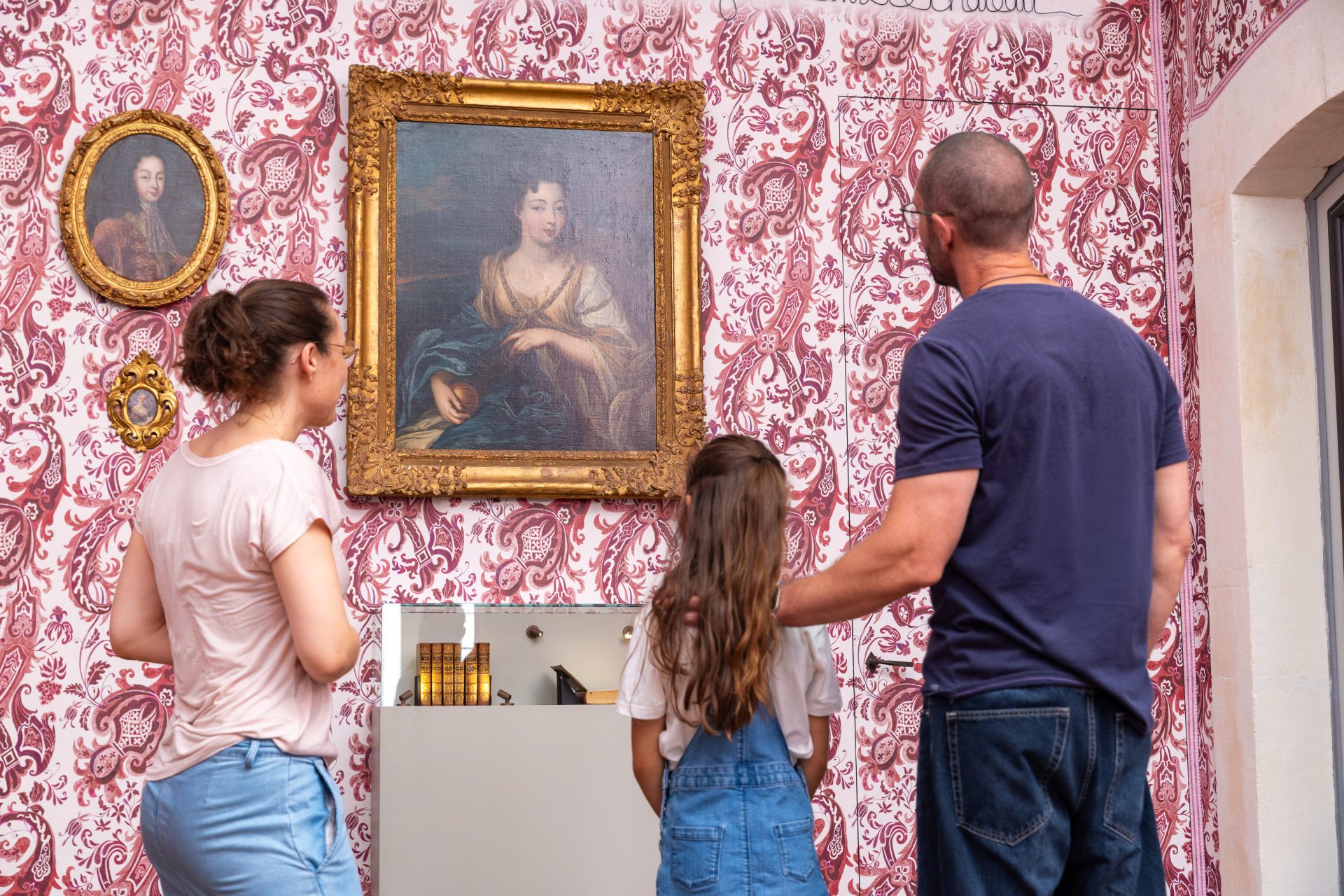 Chadam Communication
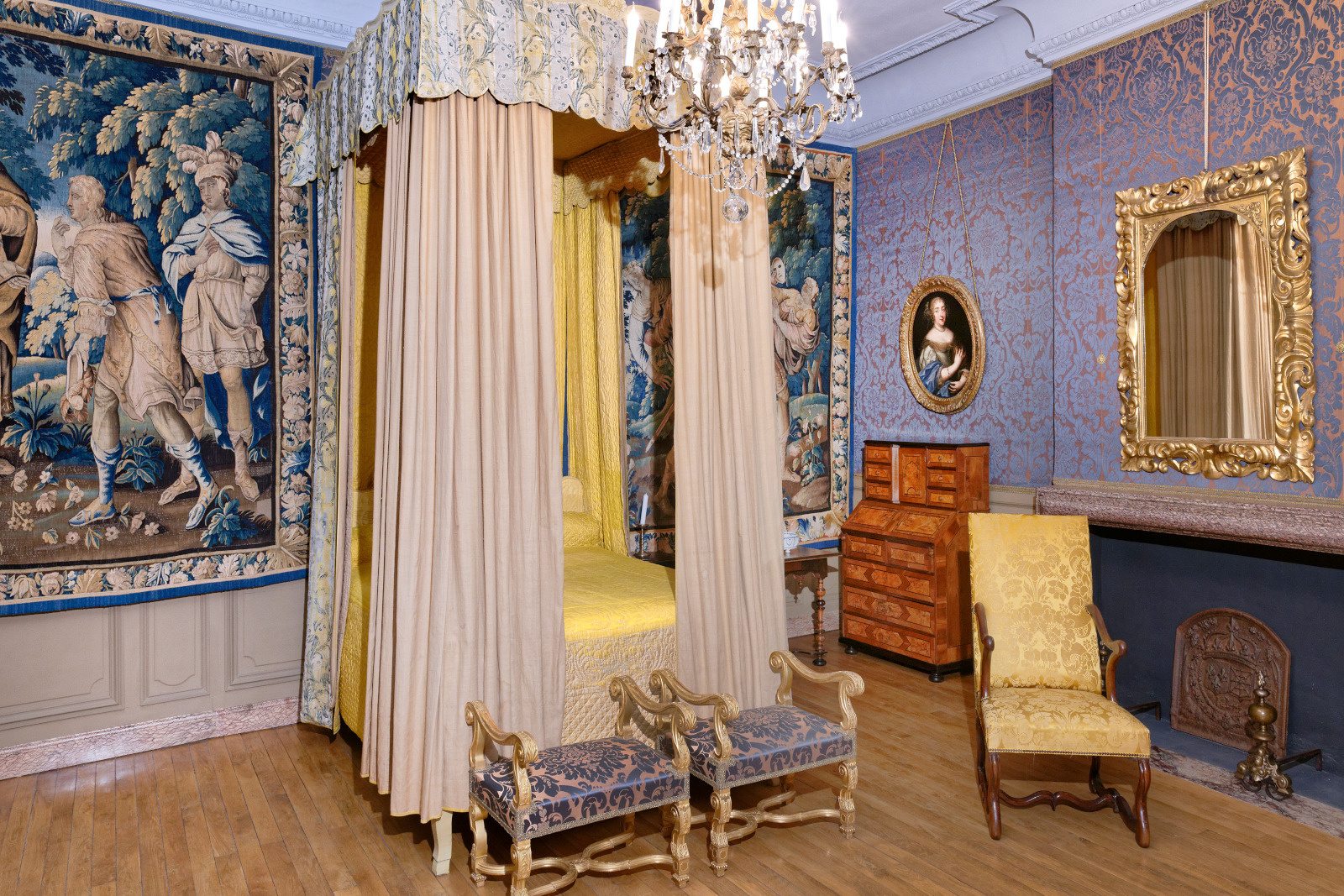
In the 17th century , this room hosted Jacques de Castellane Adhémar, Bishop of Uzès and uncle of Count François . The bedroom was then a place for rest and entertaining, with the state bed as its centerpiece. Deliberately ostentatious, it was admired by guests.
In 1672, the countess Françoise de Grignan He had this apartment, consisting of a bedroom, a wardrobe, a large study and a small study or oratory, renovated to receive his mother, Madame de SevigneShe made three long stays there between 1672 and 1696, interspersed with long periods of absence which were filled by the abundant correspondence between the two women.
The Marquise died at the castle on April 17, 1696. She rests in the Adhémar family tomb, in the Saint-Sauveur collegiate funeral church in Grignan.
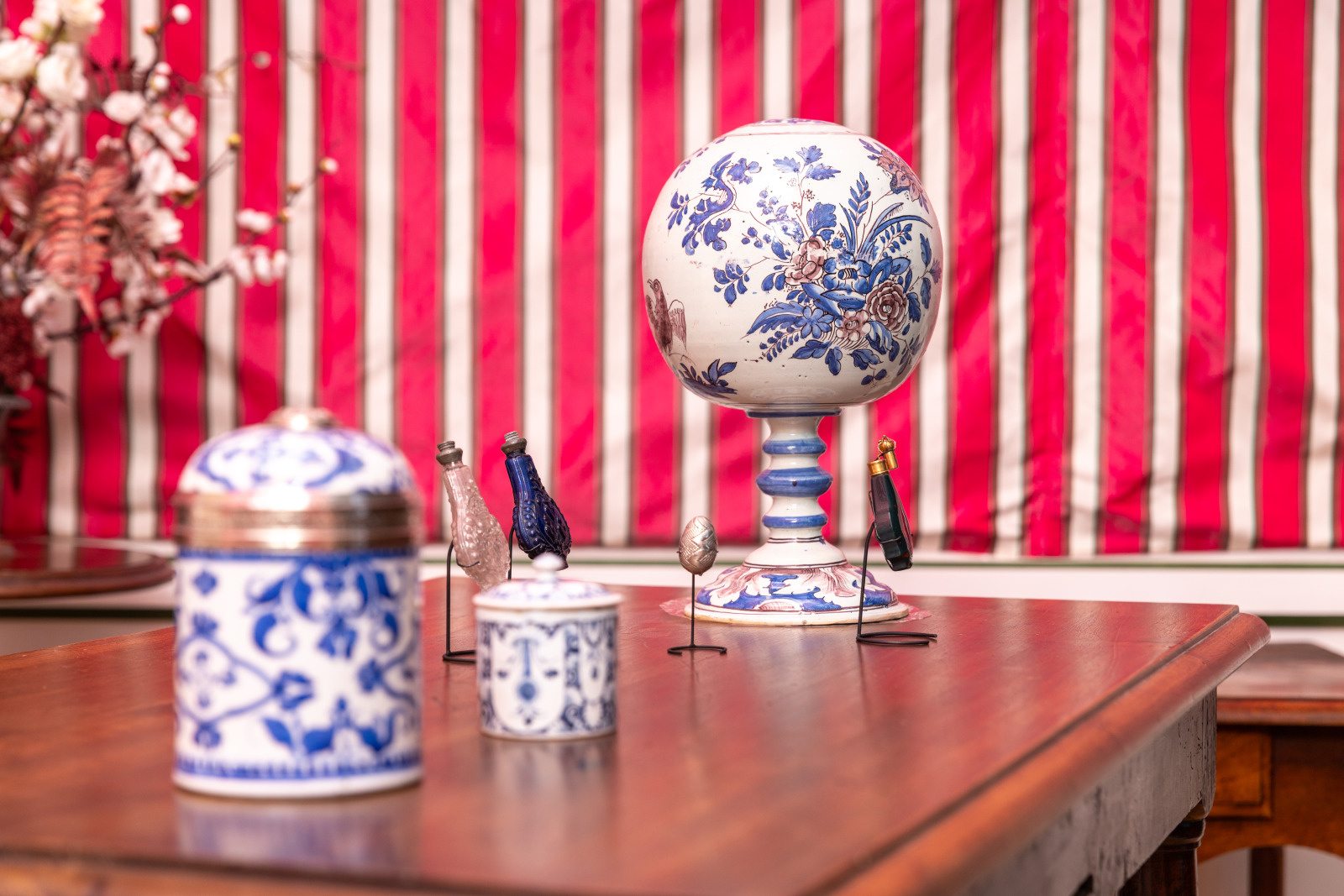
Located in the former 14th - century defensive tower , the room overlooks the main courtyard to the south. Comprising a study and a wardrobe, it is the last room in the enfilade of apartments. It is the ideal place for reading, writing, and contemplation. The wardrobe, which houses the "intimate" staff (valets and chambermaids), retains a toilet.
Madame de Sévigné wrote in her letters that she appreciated the views and the pleasant atmosphere of living there with her daughter and the Grignan family: "I am in this room, in this beautiful study, where you saw me surrounded by all these beautiful views." (June 19, 1695)
 Blaise Adilon
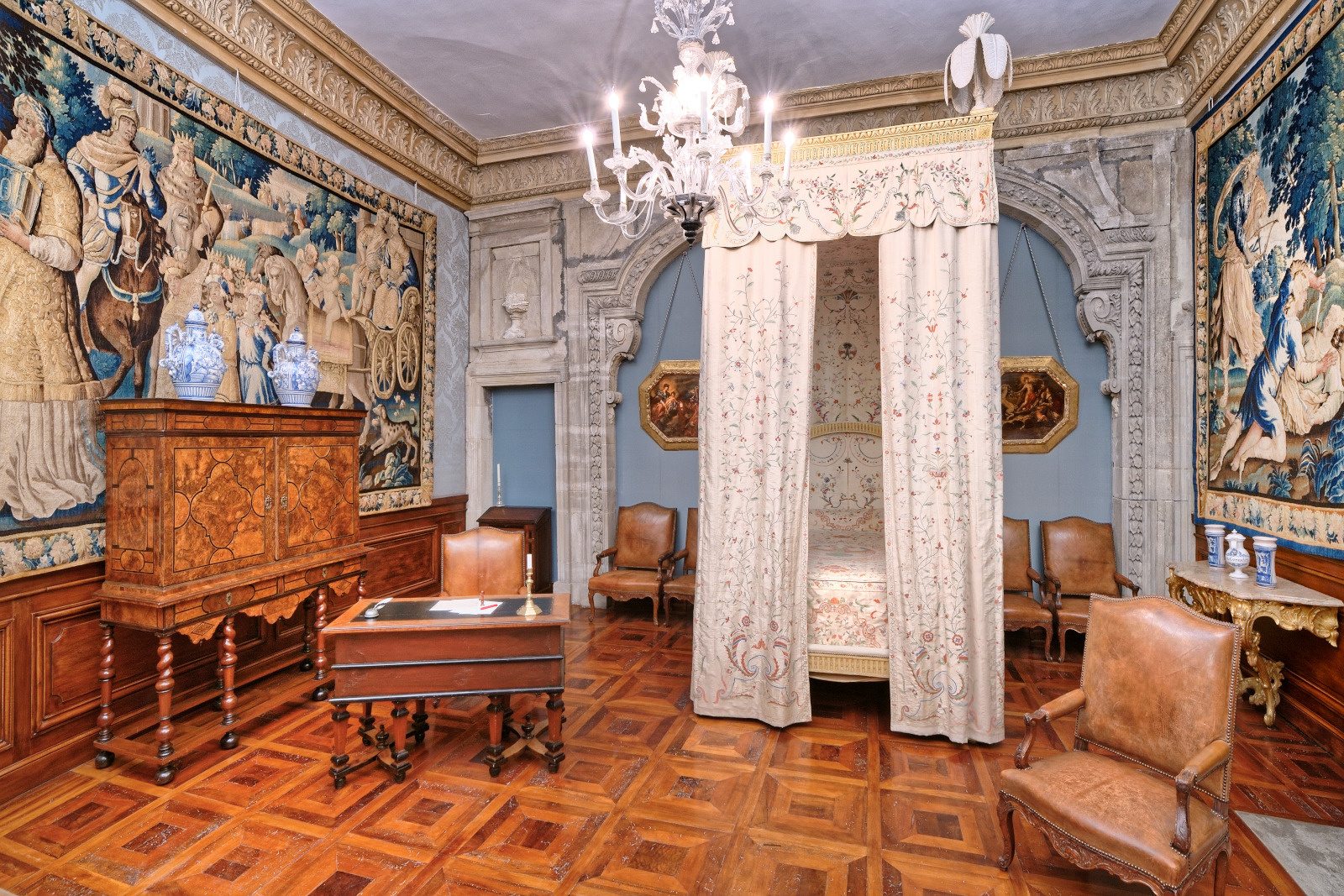
In high society, it was customary for spouses to have separate apartments. In the 17th century , Count François de Grignan chose to establish his apartments on the second floor. The view from his state bedroom overlooked the well courtyard and the stone terrace built long ago by François's ancestors. In the intimacy of the evening, it was tinged with the soft light of the setting sun.
In 1677, François de Grignan commissioned a Roman-style alcove for his bedroom. A sculpted stone arch introduces the space, which houses a bed of symbolic size and opulence. The alcove is flanked by doors to rooms used for domestic purposes, the right-hand door of which is now partially lost. Richly decorated, the state bedroom was complemented by a private apartment located behind the main suite of rooms.
